Iceland
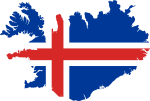
Most of ICELAND’s first settlers came from western Norway, but some came from other Scandinavian countries, as well as from the Norse Viking Age settlements in the British Isles. In 930 AD the first Alþingi (Althing), Icelandic parliament, was established on the fields later called Þingvellir (Thingvellir) and a constitution was adopted for the whole land, modelled on the Norwegian constitution. Althing was both a legislative and a judiciary assembly and it was held annually at midsummer for 14 days. The period 930–1030 is known as The Saga Age, since many of the events recorded later (in the 12th and 13th century) in the Icelandic sagas actually took place during this time. Moreover, many of the key events related in the sagas happened at Thingvellir. It was also at Thingvellir in the year 999 or 1000 that Christianity was adopted in Iceland. In 1662, the Danish King assumed hereditary power, absolute monarchy was imposed in Iceland and the power of Althing significantly declined. In 1944, Iceland rescinded its union with Denmark.
Capital:Reykjavík
Population: 329,100 (Jan 2015)
Currency: Króna (plural krónur) – ISK.
Official Language: Icelandic. It’s a North Germanic language derived from Old Norse. It has changed relatively little throughout the centuries. English is widely spoken and understood.
Religion: Most Icelanders (80%) are members of the Lutheran State Church. Another 5% are registered in other Christian denominations, including the Free Church of Iceland and the Roman Catholic Church. Almost 5% of people practice ásatrú, the traditional Norse religion.
Top 10 Interesting Country Facts:
- There aren’t any McDonald’s Restaurants anywhere in Iceland.
- At about 39,000 square miles, Iceland is small – close to the size of Ohio.
- There is a volcanic eruption every 4 years on average.
- There are no forests in Iceland.
- Beer remained illegal in Iceland until 1989.
- Mosquitoes do not exist in Iceland.
- The Icelandic language remains unchanged from ancient Norse. That means 1,000-year-old texts are still easily read.
- In 2010 Iceland banned strip clubs.
- There are no surnames or family names in Iceland – Icelanders use the traditional Nordic naming system, which includes a last name that is comprised from their father’s (or mother’s) first name with the addition of -dóttir (-daughter) or -son.
- 60% of the Icelandic population lives in Reykjavík.
See more on Iceland from Cris2Travel:


 Cris2Travel