Porto
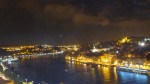
Porto is colourful, full of visible history, dynamic yet calm; old storefronts, imposing bell towers, baroque churches, narrow lanes and abandoned buildings are all housed here. Porto is the birthplace of the world famous Porto wine and it’s historic centre, the Ribeira district is a Unesco World Hertitage site.
Population: 249,000 (est)
My Experience:
Liked: Even though it’s located in northern Portugal, Porto has a southern, vacation town feel to it. Its colourful houses, bustling restaurants and cafes, historical buildings, narrow lanes and pedestrian avenues make it a city that you must visit in Portugal. Also, if you like experiencing local dishes, this place offers traditional cuisine some of which can only be found here: the Francesinha and tripe dish are some of them.
Not so much: No complaints here, but like most other Portuguese cities, be prepared for the hilly terrain -you’ll definitely get a good workout. Particularly for those of more limited mobility, consider taking a city sightseeing tour bus.
What to do & see:
- Ribeira: Porto’s riverfront area, the Ribeira is an alluring district made up of medieval streets and seedy alleyways. It is a crumbling but fascinating place, ending at a riverfront square (“Praça da Ribeira”). With photogenic traditional boats floating at the quayside overlooked by colorful ancient houses, this is the most picturesque spot in the city and the place everyone loves — UNESCO did too, and declared it a World Heritage Site.
- Porto wine tasting: It was probably the Romans who first planted grapes in the Duoro valley some 2000 years ago, and nowadays Porto wine is praised worldwide. Port wine grapes are quite interesting: they grown in rocky terrrain, with hardly any water and soil so their roots typically have to reach down as much as 30 meters to find nourishment. Try several variaties of Porto wine: ruby, tawny, aged tawny, vintage and late-bottled vintage.
- Ponte de Dom Luis I: Porto’s iconic bridge opened in 1886, when it held the record for the longest iron arch in the world. It offers spectacular city views and port wine warehouses of the municipality of Vila Nova de Gaia. The bridge is a work of a student of Gustave Eiffel – the top part is now reserve for pedestrians and streetcars, while the lower parts bears regular traffic and narrow pedestrian walkways.
- Rua Santa Catarina: Love to shop? This is the place to be in Porto. Posh boutiques, designer brand stores and even a mall (Via Catarina) can be found here.
- Experience local cuisine: Tripe & Francesinha. Porto residents are called “triperos” for a reason: they love their tripe dishes. Tripas is iconic for the local cuisine of Porto; only here has tripe has managed to become a sort of gastronomic symbol. There are all sorts of versions of tripas, which basically refers to a stew or soup made of tripe and sundry other ingredients (vegetables – beans in particular – sausages, spices). If your stomach can’t handle tripe, you should try the Francesinha. It is similar to a French croque-monsieur to adapted to Portuguese taste. A classic francesinha meal would include the sandwich, surrounded on a bed of chips doused in the famous sauce. Locals will have their favorite restaurant with the best Francesinha in town, typically arguing about the quality of the sauce (a secret recipe that varies by restaurant) and the quality of the meats.
- Teleferico de Gaia: The cable car offering amazing views of the old town connects the Gaia riverside promenade to the upper deck of D. Luis I bridge over the river Douro. The Gaia Cable Car construction began in March 2009 and public operation began in April 2011.
See more on Portugal from Cris2Travel:


 Cris2Travel
Leave a comment
Comments 0